THUNDER RUN
Balls in the rafters
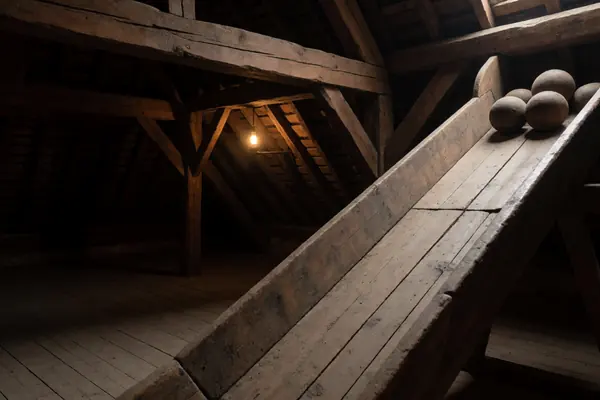
At the Bristol Old Vic, a wooden trough slopes above the stage. Heavy balls rolled down it so thunder reverberated over the audience's heads.
See the numbers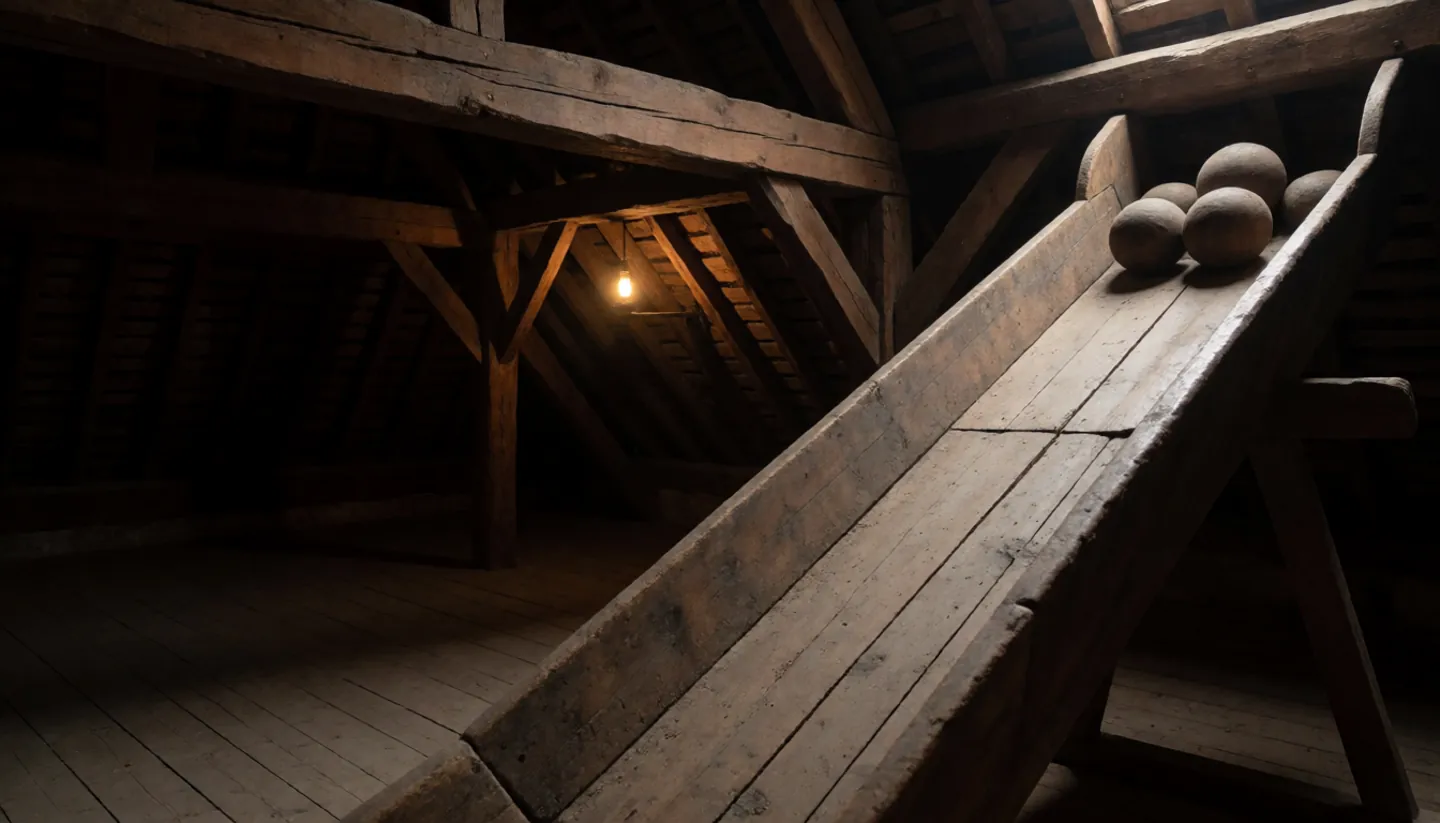
SOUND EFFECTS BEFORE SPEAKERS
CRANK, ROLL, TILT weather on cue
AI-generated image, not a photograph of a real person or place.
Georgian audiences heard storms made of wood.
In the roof of a Bristol theatre opened in 1766, crews rolled heavy balls down a sloping wooden trough so thunder rumbled over the audience. Wind came from a canvas drum, rain from a tilting box of dried peas.
THE SHORT ANSWER
Theatres built simple machines for each kind of weather.
Some were boxes; one was built into the roof.
THUNDER RUN
At the Bristol Old Vic, a wooden trough slopes above the stage. Heavy balls rolled down it so thunder reverberated over the audience's heads.
See the numbersWIND MACHINE
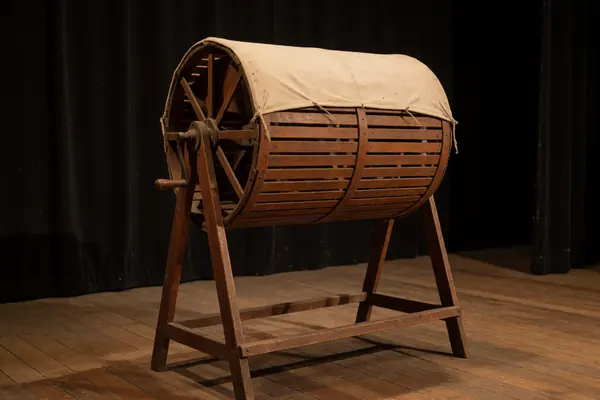
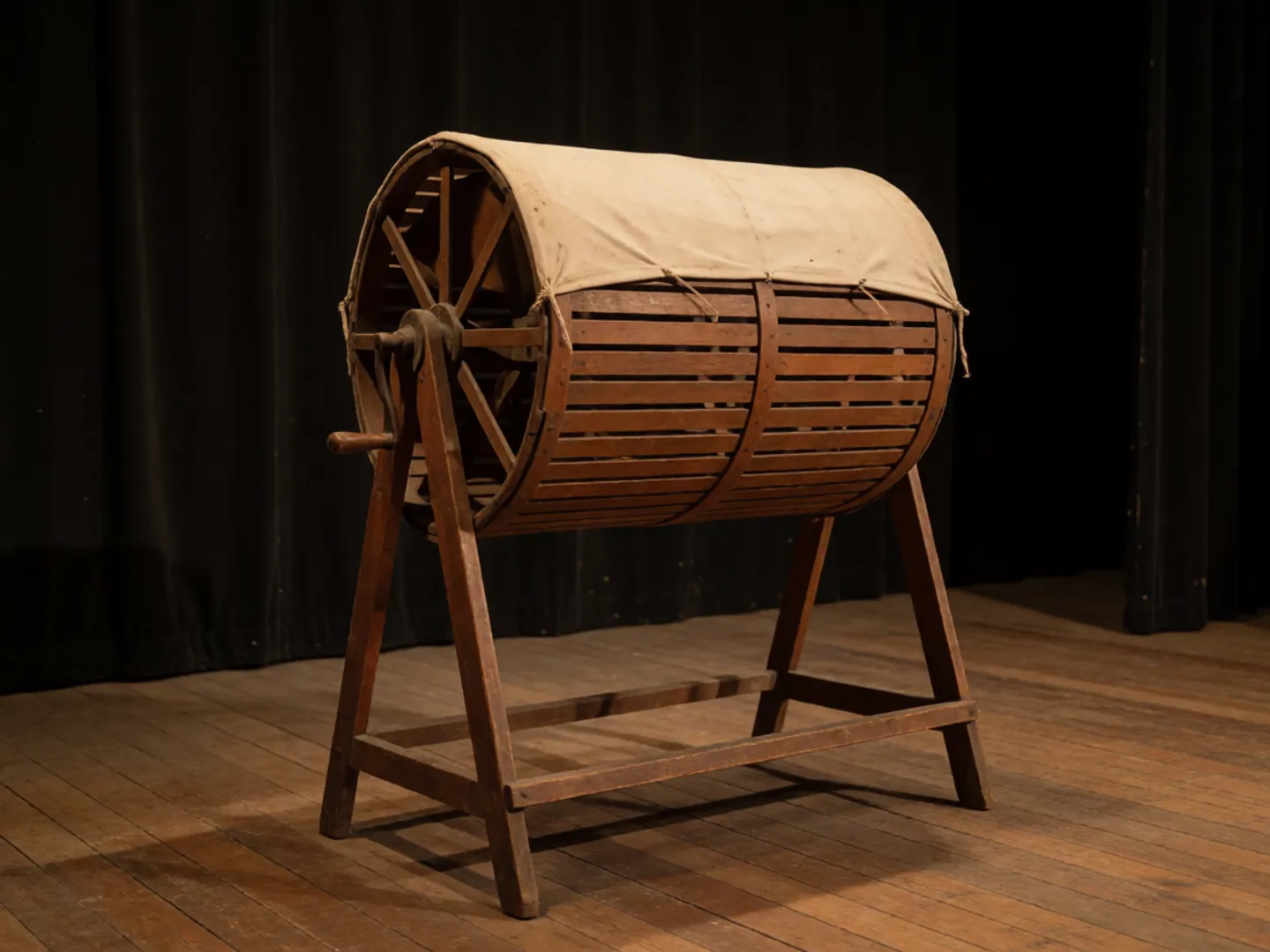
A V&A example from about 1900 is a slatted wooden drum under a stretched canvas sheet. Turning the handle makes the slats rub against the canvas to imitate wind.
Compare the machinesTHUNDER SHEET
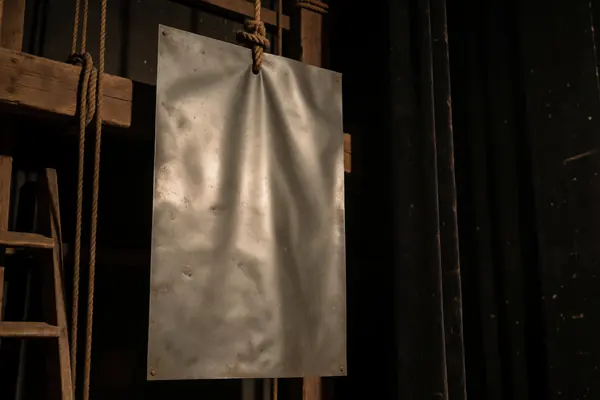
Most theatres used something less cumbersome than a thunder run: a metal thunder sheet rattled offstage, often alongside a rain box and a wind machine.
Make your own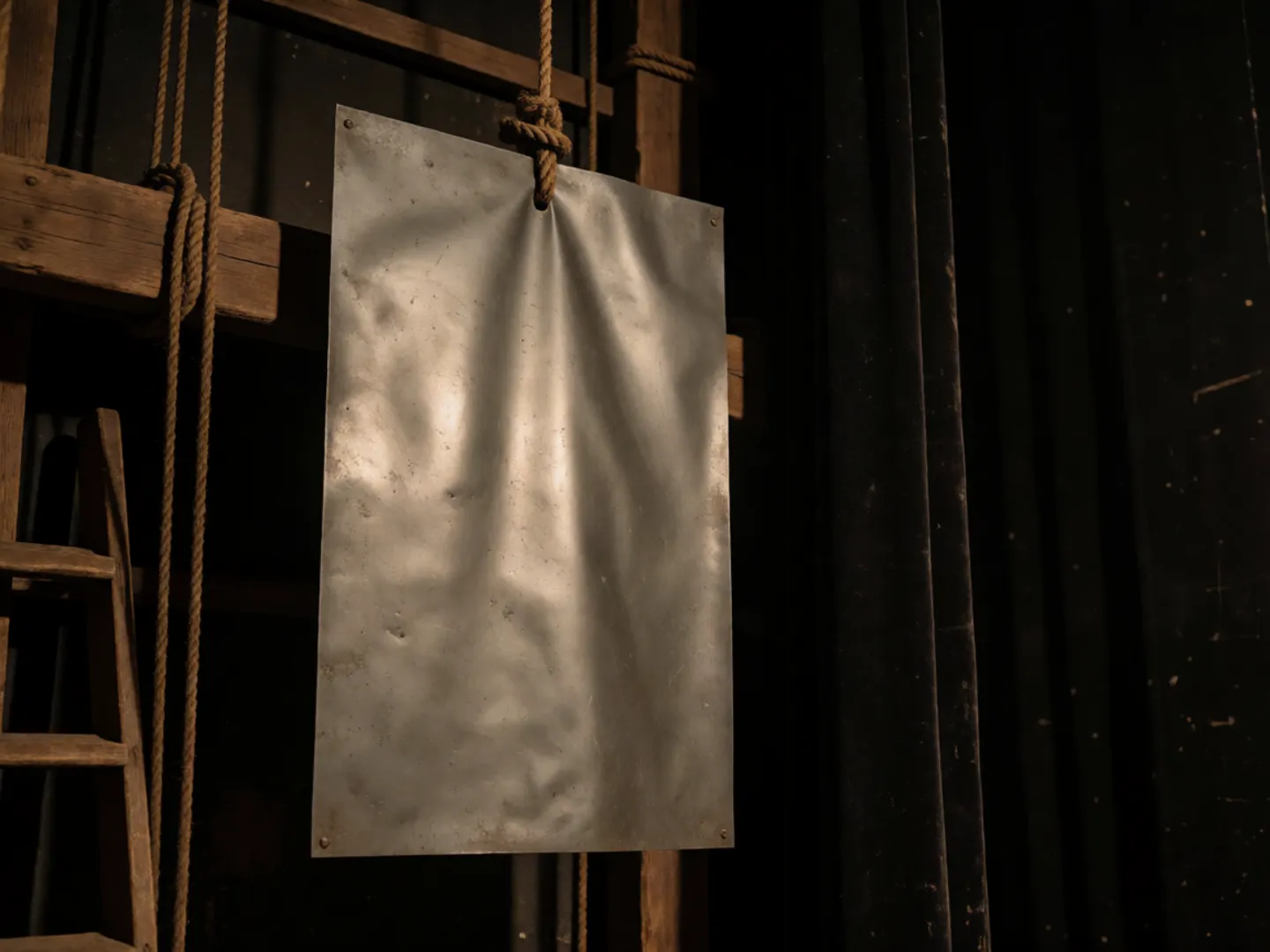
FOUR STORM SOUNDS TO TRY
The old machines work on simple ideas you can try at home or in a school play: things rolling, rubbing and pattering.
Tilt a shallow lidded box of dried peas or rice slowly from end to end. Old rain boxes had ledges nailed inside to break up the patter.
Old wind machines rubbed wooden slats against canvas. Dragging fabric steadily across a ridged surface gives a similar rising and falling whoosh.
Hold a large thin sheet of card or metal by one edge and shake it. Most theatres made thunder this way rather than building a thunder run.
Roll a heavy ball along a hollow wooden surface. The thunder run used the theatre's own roof timbers to carry the sound.
TWO NUMBERS WORTH KNOWING
How few working thunder runs are left in the UK,
and how far Bristol's predates the rest.
3
Working thunder runs left in the country
Bristol Old Vic says its thunder run is one of only three working examples remaining; the other two are in London theatres.
WORKING THUNDER RUNS · UK
150+ years
How much older Bristol's is than the next
Theatre historians testing the Bristol thunder run in 2016 found it predates the next oldest working example by more than 150 years.
AGE · BRISTOL OLD VIC
The Bristol thunder run's last recorded use before its 2016 revival was in 1942. Testing different balls, the team concluded the originals were probably wood, not the lead cannonballs long assumed.
A QUICK MACHINE CHECK
Pick a sound to see the machine theatres used for it. The bar shows how big the machine is, from a box you can carry to one built into the building.
Descriptions come from museum records and from the Bristol Old Vic's own account of its thunder run.
WHERE THE MACHINES SURVIVE
The Bristol Old Vic opened in 1766. Its thunder run is part of the Grade I listed building, was restored in 2012 and was used again in 2016 for King Lear, the play in which a king rages against a storm.
The Palace Theatre at Drottningholm in Sweden, also built in 1766, is described by UNESCO as the only surviving 18th-century theatre where the original stage machinery is still regularly used, allowing scene changes with the curtain up.
In conversation
A wooden trough built into a theatre's roof space. Bristol Old Vic describes balls being rolled down it during performances so peals of thunder reverberated above the audience.
That was long believed. When the Bristol team tested different balls in 2016, they found heavy wooden balls gave the best sound and concluded the originals were probably wood.
A V&A example from about 1900 has a slatted wooden drum under a stretched canvas sheet. Turning an iron handle makes the slats rub against the canvas.
With a rain box: a canvas-covered wooden box of dried peas or small stones that pivots on a stand, so the contents rush from end to end.
The V&A Theatre and Performance Collection holds a wind machine, rain machine and gun rattle from the Cripplegate Institute theatre. Bristol Old Vic hopes to offer tours of its thunder run.
Each figure on this page comes from the sources below.
ABOUT THIS NAME
soundboardeffect.com is part of the DoodleSale portfolio. It isn't in an auction right now, but you can ask about leasing it.